Yuni Ibrahim
The Little Red Piggy That Taught a Nation to Save
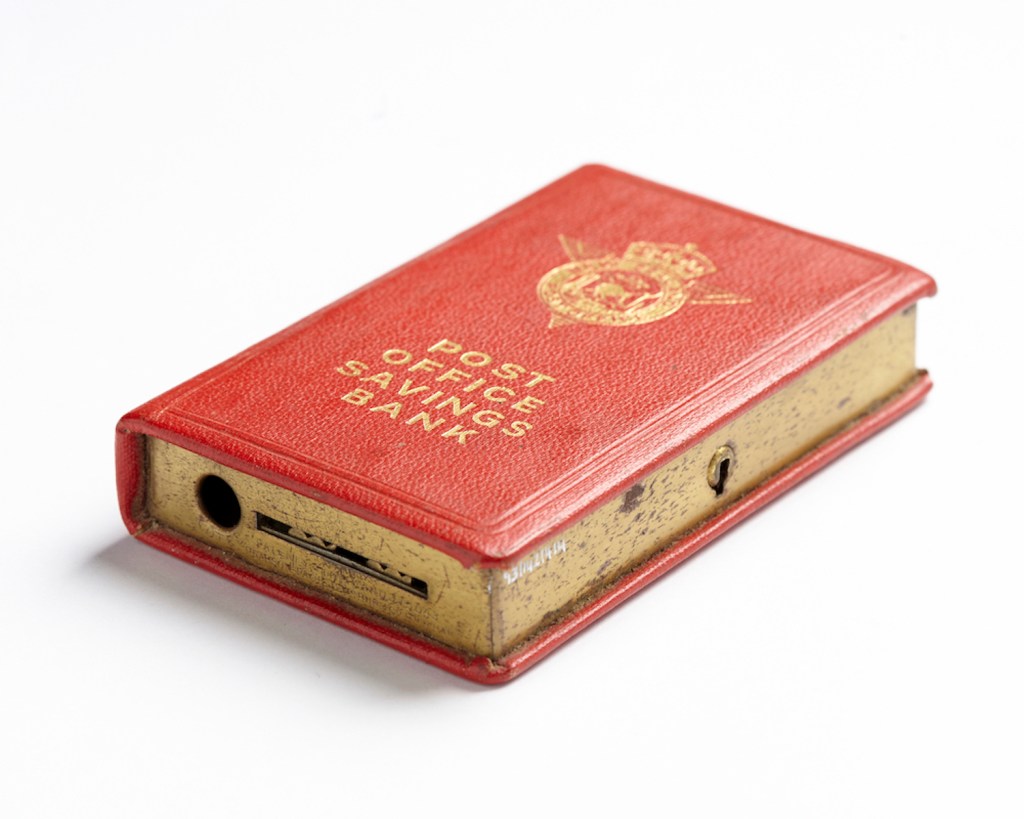
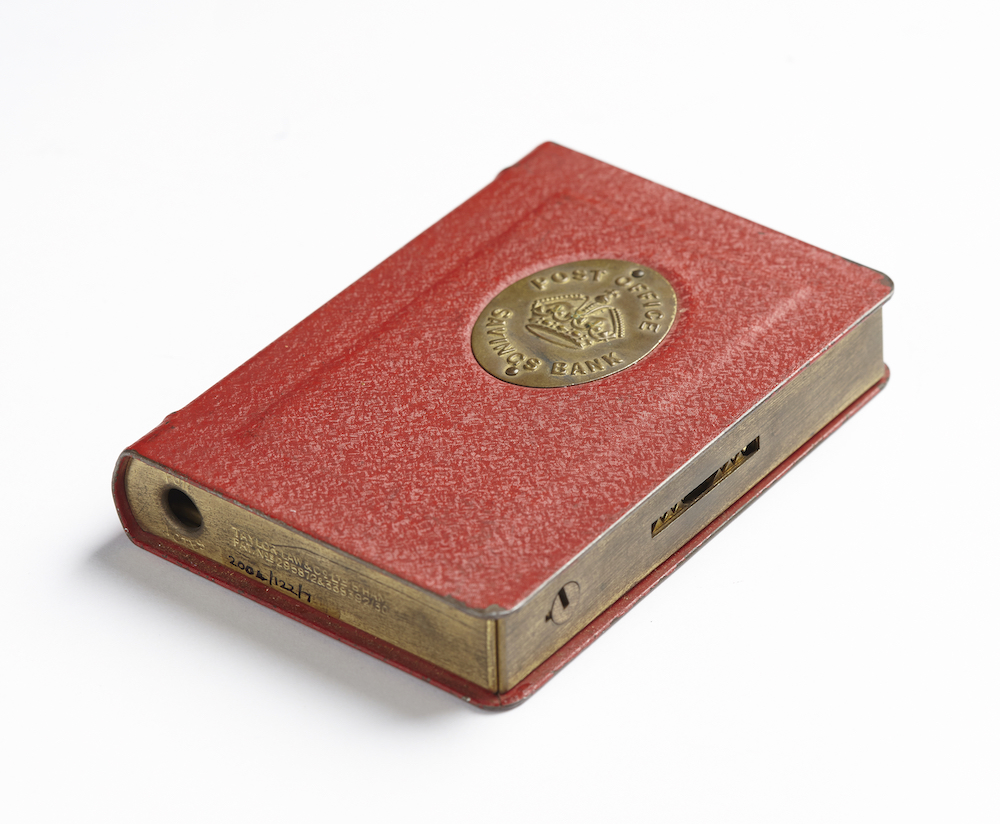
Among the money-related artefacts in the collection at Te Manawa Museum, there is a small object that can easily be overlooked: a bright red money box or piggy bank. At first glance, it seems ordinary. Yet behind its modest size lies a much larger story about how generations of New Zealand children were taught to save and understand the value of money.
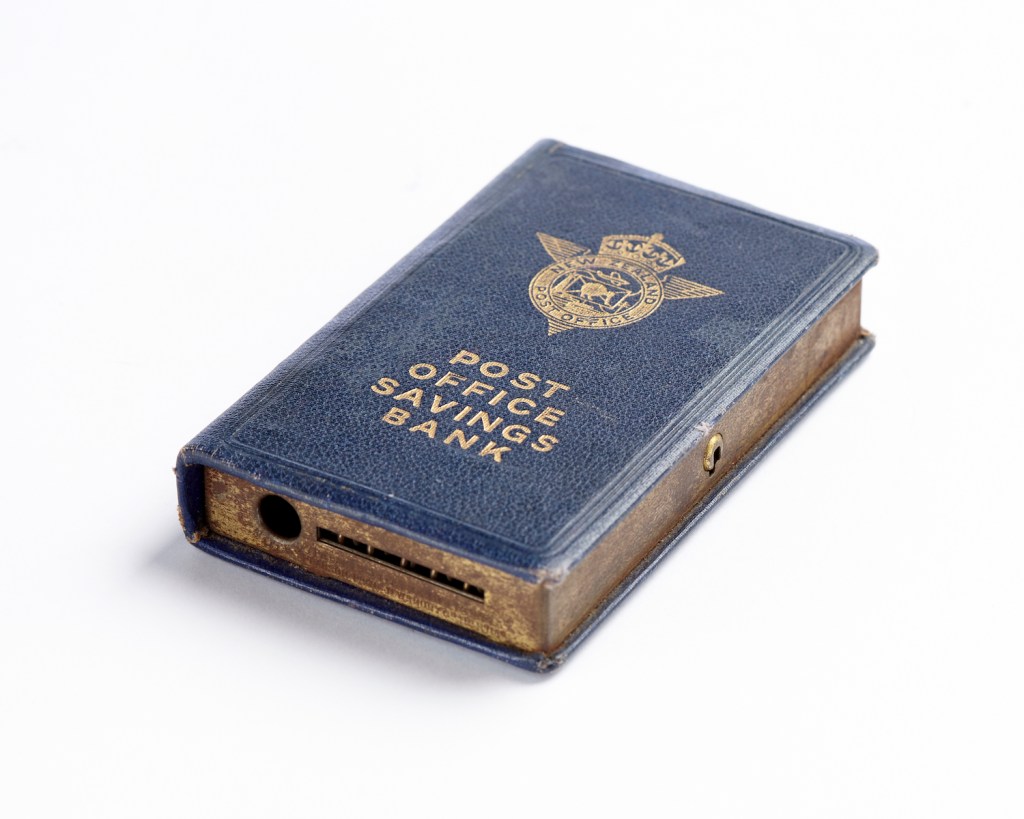
More than just a lockable container for coins, which were pushed into the serrated slot (right side of base), and notes, which were rolled into the circular hole (left side of base), this money box was part of a nationwide system – run by the New Zealand Post Office Savings Bank – that encouraged saving habits within families, schools and communities. It represents a time when saving money was not only a financial activity, but also a form of character education.
A Small Object with a National Impact
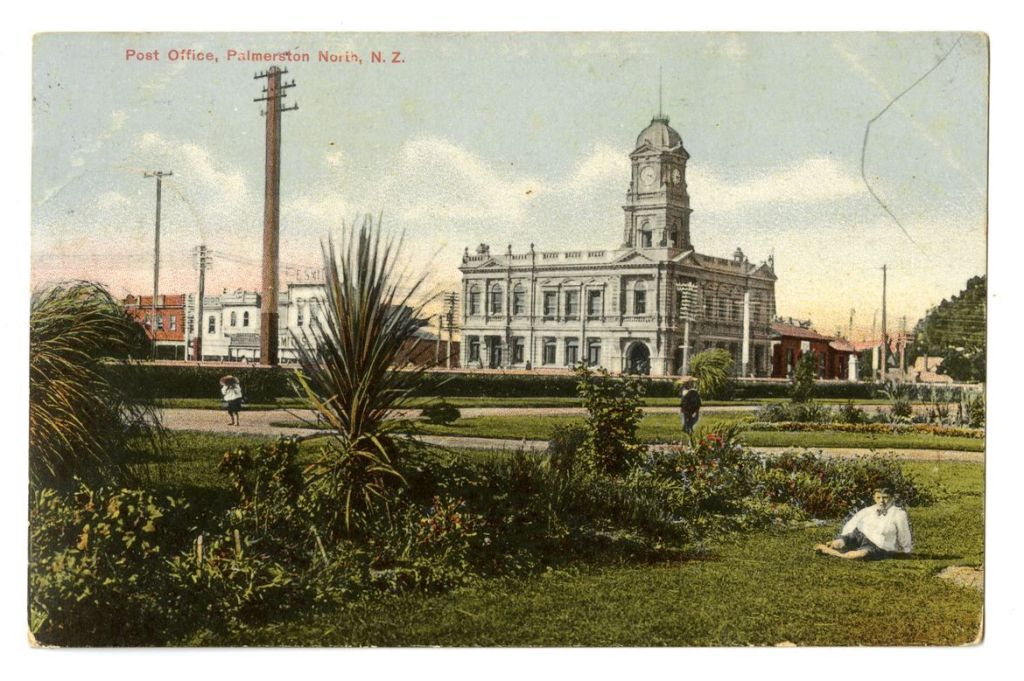
This story begins in 1867, when the New Zealand Government established the Post Office Savings Bank to provide a safe and accessible way for citizens to save money. In rural areas where commercial banks were limited, post offices became essential financial centres. By the turn of the twentieth century, two hundred thousand New Zealanders held saving accounts, making the system a key part of everyday life.1
Teaching Children to Save
Education boards and school committees were encouraged to form school savings banks with the introduction of free, secular and compulsory education in 1877.2 The government would provide ‘every approved bank with deposit-books and with the first ledger and journal free of charge’.3 It was a controversial plan as the bookkeeping was time-consuming for teachers.
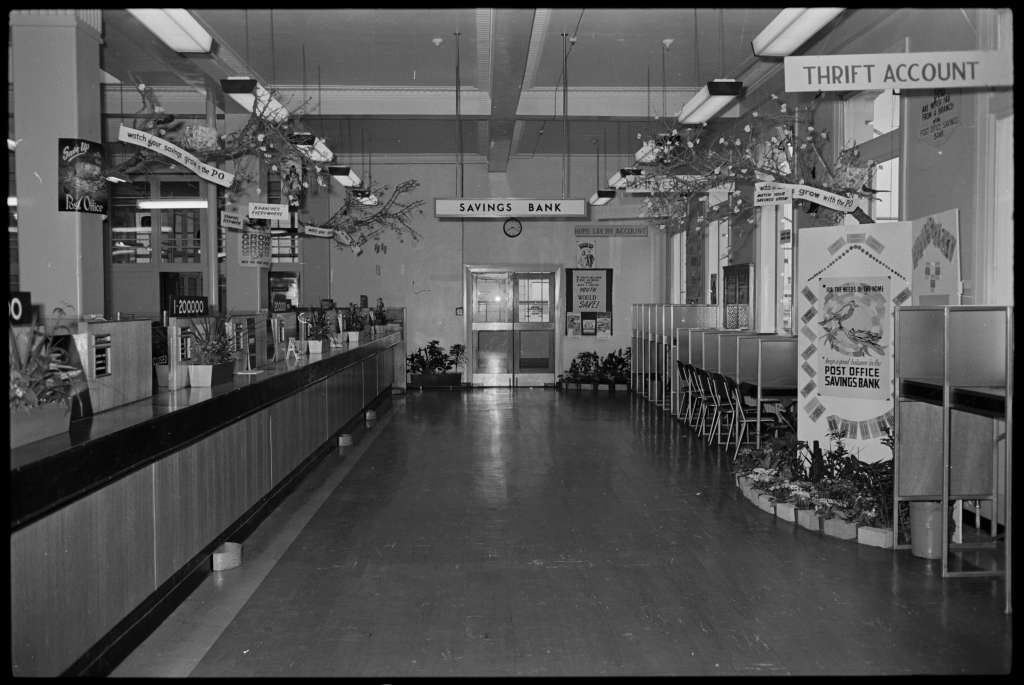
Saving habits were actively taught to more recent generations of school children through initiatives such as the school savings-bank scheme introduced in 1934.4 This programme encouraged students to deposit small amounts regularly, helping them develop financial discipline from an early age. The money box played a central role in this practice. By gradually filling their banks and making deposits, children learned patience, responsibility and long-term planning.
Why the ‘Piggy Bank’ Became a Symbol
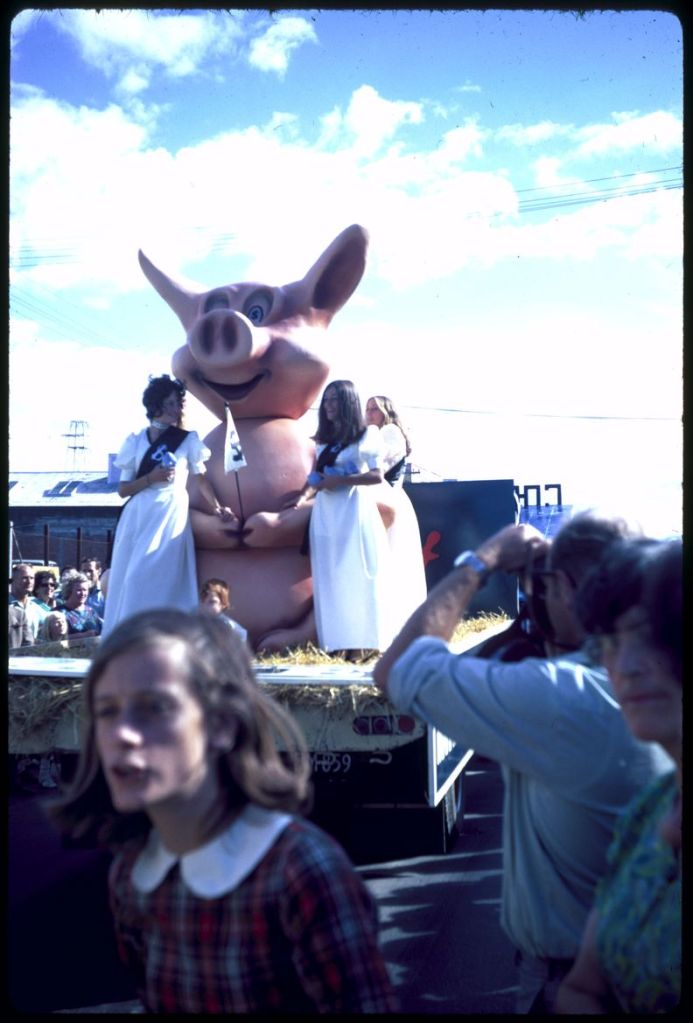
The use of piggy banks dates back to medieval Europe, where people stored coins in clay containers. Over time, these evolved into pig-shaped objects associated with prosperity and good fortune.5 By the twentieth century, money boxes had become widely-used educational tools. In New Zealand, the brightly-coloured Post Office Savings Bank money boxes shaped like a bank book reinforced its identity as part of a national saving system; only the bank held a key.
The Decline of the Post Office Savings Bank
The Post Office Savings Bank remained influential for over a century. However, the neo-liberal economic reforms of the 1980s transformed the financial sector. In 1987 the Savings Bank became PostBank and in 1989 it was sold to ANZ.6 At the same time, technological developments such as ATMs and online banking changed how people interacted with money, which reduced the role of physical saving practices.
Children and the School Saving Movement
To better understand the real impact of saving practices, it is useful to look at the school savings-bank scheme introduced in New Zealand in 1934. This initiative, supported by the New Zealand government and implemented through schools, encouraged children across the country to develop saving habits from an early age. It was an enormous success: by the end of its first year, it was operating in 236 schools, with 46,823 accounts, and credit of £13,780.7
Historical records show that thousands of students participated by bringing small amounts of money to school each week. Teachers collected these contributions and deposited them into accounts at the Post Office Savings Bank. This system made saving a routine part of school life and reinforced values such as discipline, patience and responsibility.
According to an entry in Te Ara – The Encyclopedia of New Zealand, school savings-bank programmes played a significant role in promoting financial awareness among young people, particularly during the mid-twentieth century when thrift was widely encouraged.8
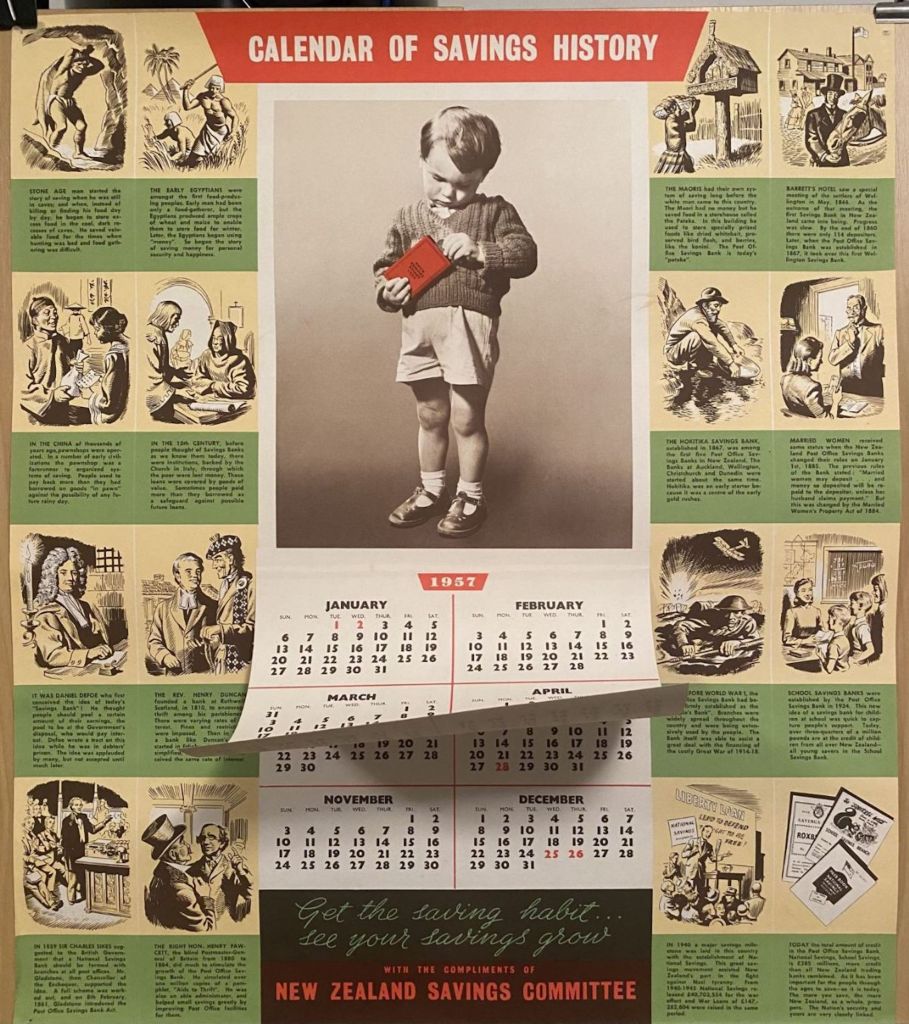
Piggy banks were often used at home as part of this process. Children would collect coins throughout the week and then bring their savings to school. In this way, everyday practices at home were directly connected to national financial institutions.
Rather than focusing on a single individual, this broader example reflects the shared experiences of many New Zealand children. It demonstrates how saving was not only a personal activity, but also a socially organised practice supported by families, schools and government institutions.
Window into Everyday Life
Today, the red money box is more than a historical object. It represents a system that once connected institutions and individuals in promoting financial literacy. As social history scholars argue, everyday objects can reveal important insights into how people lived, learned and managed their resources.
Money Boxes in Te Manawa’s Collection
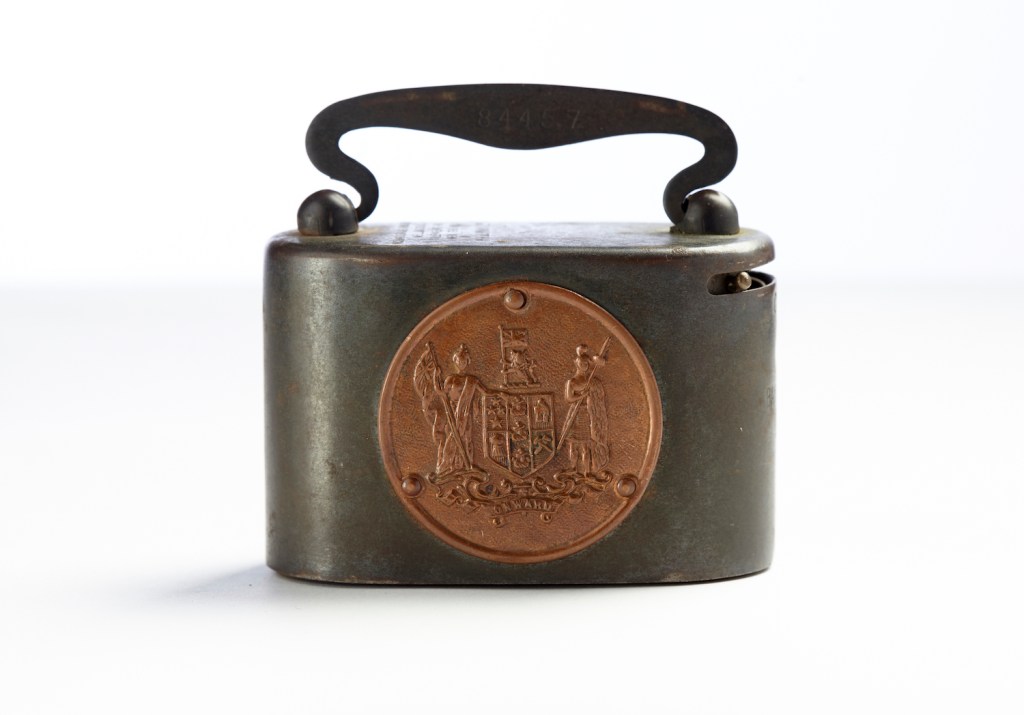
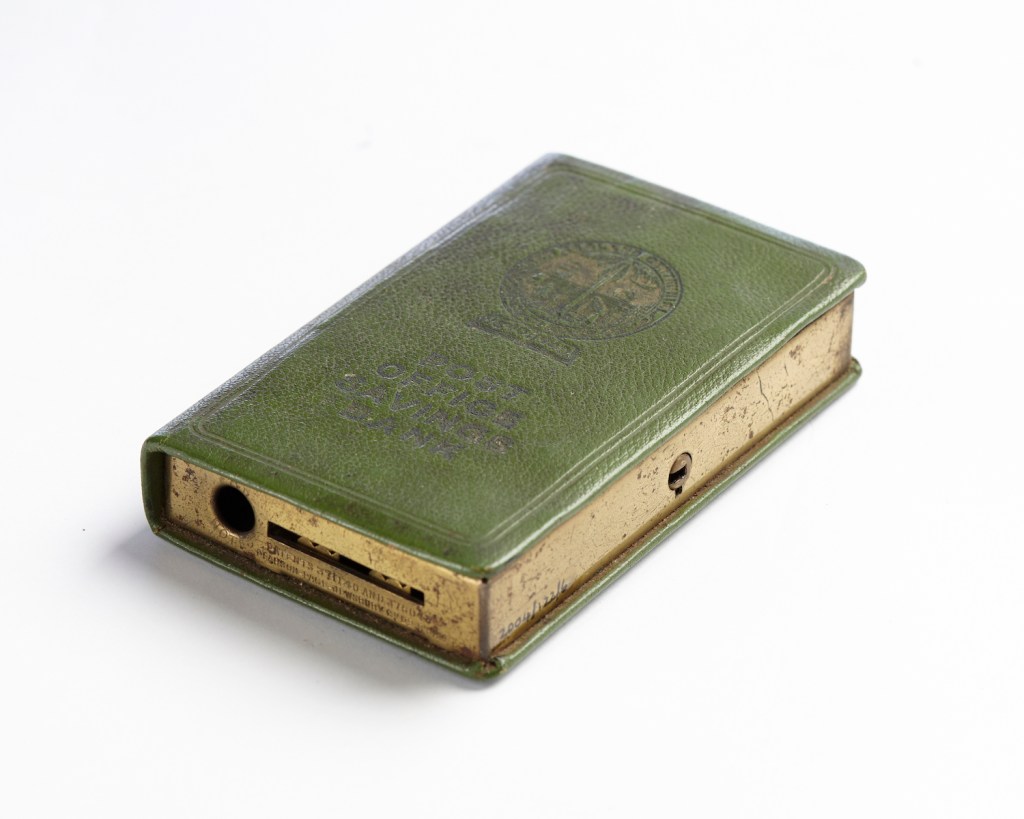
There is more than one New Zealand Post Office Savings Bank money box in Te Manawa’s collection. Here are other examples showing subtle variations of style over time:
Footnotes
- The New Zealand Official Year-book, 1901, see chapter 41, section 8, URL: https://www3.stats.govt.nz/New_Zealand_Official_Yearbooks/1901/NZOYB_1901.html#idsect1_1_71808 (accessed 18 April 2026). ↩︎
- ‘Education. First Annual Report of the Minister of Education’, Appendix to the Journals of the House of Representatives,1878, Session I, H–01, p. 13, URL: https://paperspast.natlib.govt.nz/parliamentary/AJHR1878-I.2.2.3.1 (accessed 18 April 2026). ↩︎
- ‘Education. Second Annual Report of the Minister of Education’, Appendix to the Journals of the House of Representatives,1879, Session I, H–02, p. 20, URL: https://paperspast.natlib.govt.nz/parliamentary/AJHR1879-I.2.2.2.2 (accessed 18 April 2026). ↩︎
- McLintock, ‘The Post Office Savings Bank’, Te Ara – the Encyclopedia of New Zealand. ↩︎
- Alicia Mulling, ‘From Coins to Collectibles: The ANZ Money Box Journey’, ANZ, 1 July 2025, URL: https://www.anz.com.au/newsroom/news/2025/july/anz-money-box-journey-financial-literacy/ (accessed 18 April 2026). ↩︎
- New Zealand Post continued as a state-owned enterprise and went on to establish Kiwibank in 2002. See Shoebridge, ‘Mail and couriers – Technology and change, 1980s–2000s’, Te Ara – the Encyclopedia of New Zealand; Laking, ‘State-owned enterprises – What are state-owned enterprises?’, Te Ara – the Encyclopedia of New Zealand; Phillips, A History of New Zealand in 100 Objects, pp. 373–76. ↩︎
- ‘Annual Report of the Post and Telegraph Department for the Year 1935–36’, Appendix to the Journals of the House of Representatives, 1936, Session I, F–01, p. 21, URL: https://paperspast.natlib.govt.nz/parliamentary/AJHR1936-I.2.2.5.1 (accessed 18 April 2026). ↩︎
- McLintock, ‘The Post Office Savings Bank’, Te Ara – the Encyclopedia of New Zealand. ↩︎
Bibliography
Laking, Rob, ‘State-owned enterprises – What are state-owned enterprises?’, Te Ara – the Encyclopedia of New Zealand, URL: https://teara.govt.nz/en/photograph/32672/new-zealand-post-and-kiwibank (accessed 18 April 2026).
Phillips, Jock, A History of New Zealand in 100 Objects, Penguin Random House, 2022.
‘Pocket Money’, Reserve Bank of Australia Museum, URL: https://museum.rba.gov.au/exhibitions/pocket-money/pdf/pocket-money.pdf (accessed 18 April 2026).
Shoebridge, Tim, ‘Mail and couriers – Technology and change, 1980s–2000s’, Te Ara – the Encyclopedia of New Zealand, URL: https://teara.govt.nz/en/mail-and-couriers/page-4 (accessed 18 April 2026).
‘The Post Office Savings Bank’, from An Encyclopaedia of New Zealand, edited by A.H. McLintock, originally published in 1966, Te Ara – the Encyclopedia of New Zealand,
URL: https://teara.govt.nz/node/24343 (accessed 18 April 2026).
‘Timeline of our Banking History’, Reserve Bank of New Zealand Museum, URL: https://www.rbnz.govt.nz/museum/history/banking-history-timeline, (accessed 18 April 2026).


Leave a comment